

As we age, our habits and lifestyles may change. It is worth raising the alarm if you notice warning signs elderly need help at home. In this article, we will look at what these signs are and how to recognize them.
Why Recognizing These Signs Early Matters
It is essential to recognize the signs that your aging loved one needs help as quickly as possible. This will help prevent more serious consequences and ensure timely treatment.
Physical Health Warning Signs
The senior may lose his former activity. Physical signs of problems can be noticed quickly, so pay attention. Such changes indicate health problems and require attention in order to maintain the person’s health and quality of life.
Decline in Personal Hygiene and Grooming
When an elderly person finds it difficult to take care of themselves, it is immediately apparent. You may notice an unpleasant body odor, dirty laundry, or unkempt hair and nails. Such warning signs cannot be ignored.
Poor hygiene is often associated with declining abilities. This could be depression, mobility issues, or early-stage dementia. For many, this is not a sign of laziness, but a sign that the person needs help at home.
Unexplained Weight Loss or Changes in Appetite
For many older people, cooking and grocery shopping become too difficult. This affects their health and eating habits. Here are some signs senior needs caregiver:
- sudden weight loss;
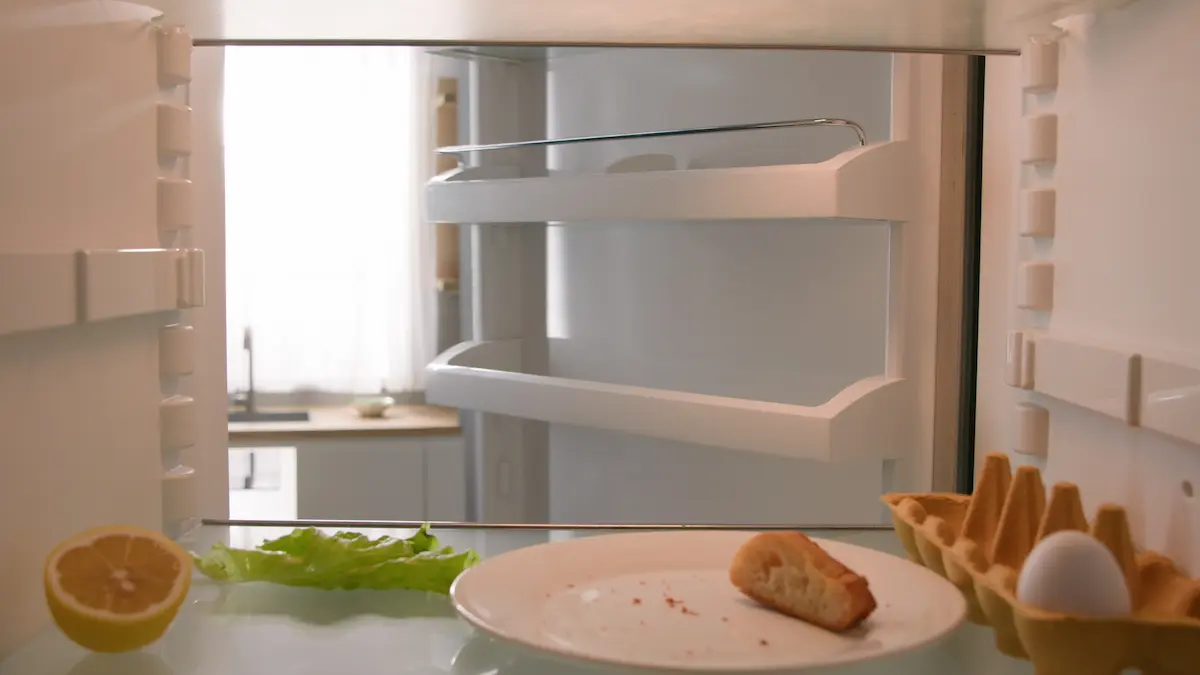
- empty shelves and refrigerator;
- frequent consumption of ready-made or processed foods;
- presence of expired food.
A lack of adequate nutrition leads to weakness, increases the risk of disease, and may result in hospitalization.
Frequent Falls, Bruises, or Mobility Problems
A decline in activity in older adults is often immediately noticeable. They may avoid stairs, hold onto furniture, or tire quickly when walking. This is a sign of weakness, imbalance, or the onset of age-related frailty.
Loss of mobility limits independence. It increases the risk of falls and unexpected injuries. Falls are considered one of the most dangerous health threats in old age. They often lead to fractures and hospitalization.
Difficulty Managing Daily Activities (ADLs)
Over time, minor difficulties can develop into serious problems. Skipping meals, household disorder, lack of activity, deterioration in personal hygiene, and noticeable emotional changes together are warning signs. All of this indicates that it may be unsafe for an elderly person to remain alone without support.
Cognitive and Mental Health Red Flags
When elderly parents need assistance? When your elderly parents decline, consider seeking assistance. Their emotional state is just as critical.
Memory Loss, Confusion, or Disorientation
You can ensure the safety of elderly people by providing them with the right support. First, identify the signs, then take action.
| Sign | What It May Mean | Support Tips |
| Memory Loss | Forgetting recent events | Use notes, calendars, reminders |
| Confusion | Difficulty understanding situations | Use simple words, repeat calmly |
| Disorientation | Loss of orientation in place or time | Maintain a familiar routine, use visual cues |
Difficulty Managing Medications Properly
Missed medical appointments, forgotten medications, or refusal to follow the prescribed treatment plan are all reasons to hire a caregiver. Without supervision, illnesses can rapidly progress to a severe form and cause serious health complications.
Mood Changes, Depression, or Social Withdrawal
Sadness, isolation, and loss of interest in familiar activities can be signs of depression. Such changes should not be ignored. Withdrawal from social interaction is often associated with loneliness or low mood.
This is not a natural part of aging. It is a sign that the elderly parent can’t live alone anymore.
Home Safety and Environmental Concerns
Falls remain a common cause of fatal injuries among people over 65. Every year, more than 14 million seniors report such incidents. Most often, they occur at home due to simple risks: poor lighting, slippery floors.
Creating a safe environment reduces threats and supports independence. This brings peace of mind to seniors themselves and their loved ones.
Neglected or Unsafe Home Conditions
Statistics show that a significant proportion of falls among older people occur at home, most often in cluttered areas. To reduce the risks, it is important to pay attention to the organization of space:
- passageways should be free of objects;
- wires should be secured along walls;
- items should be stored in designated areas;
- regular cleaning helps maintain order.
Check all furniture to ensure it is securely fastened. If you hire a caregiver, they can help organize the space.
Unpaid Bills or Financial Mismanagement
Watch for signs of financial difficulties. These may include confusion with change, problems paying for purchases, or not understanding bank statements. Sometimes talking about money causes fear and anxiety.
Automatic debits from a bank account help ensure that utilities, rent, and other expenses are paid on time. This method reduces the risk of errors and delays.
It is important to discuss options for controlling your budget. You can give small amounts of cash to keep. It is helpful to reduce card limits and close unnecessary credit or debit accounts.
Difficulty with Household Maintenance
A home that was once well-maintained can become cluttered and unsafe. Dirty laundry, unopened mail, spoiled food, and broken appliances create risks. Household services help to tidy up, maintain cleanliness, and provide routine care for a safe living area.
When to Take Action – Starting the Conversation
Not all elderly people understand what home care is. Explain it to them by emphasizing a personalized, attentive approach. Always listen to their wishes, and don’t make any decisions without your relative’s knowledge.
How to Talk to Your Loved One About Getting Help
Refusal of assistance is quite common. Older people often fear losing their independence. It is important to start a calm conversation about safety and comfort. In some cases, it is helpful to involve a specialist who can explain the situation and offer support without pressure.


